Yoga Techniques for Relaxation
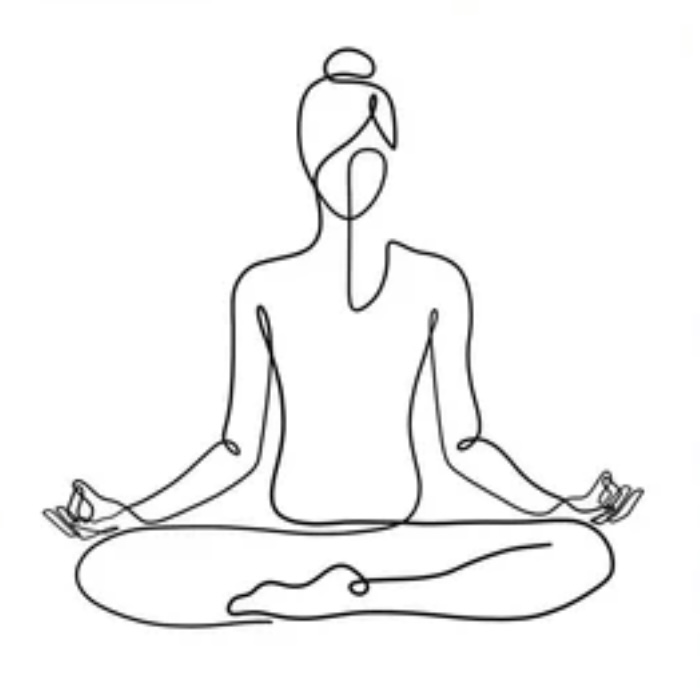
In today’s fast-paced world, finding moments of calm can be challenging. Stress and anxiety often take a toll on both the mind and body. Fortunately, yoga offers a powerful way to restore balance and promote relaxation. This article explores effective relaxation yoga techniques that anyone can practice to reduce tension, improve mental clarity, and enhance overall well-being.
Understanding Relaxation Yoga Techniques
Relaxation yoga techniques focus on gentle movements, mindful breathing, and meditation to calm the nervous system. Unlike vigorous yoga styles, these techniques encourage slowing down and tuning into the body’s natural rhythms. Practicing relaxation yoga regularly can help lower cortisol levels, reduce muscle tightness, and improve sleep quality.
Some common relaxation yoga techniques include:
Deep breathing exercises such as diaphragmatic breathing or alternate nostril breathing
Restorative poses that use props to support the body and promote stillness
Guided meditation and body scans to increase awareness and release tension
Progressive muscle relaxation combined with gentle stretches
These methods are accessible to beginners and can be adapted for all fitness levels. The key is to create a calm environment, focus on the breath, and move mindfully.

Effective Relaxation Yoga Techniques to Try at Home
You don’t need a fancy studio or expensive equipment to benefit from relaxation yoga. Here are some practical techniques you can incorporate into your daily routine:
1. Diaphragmatic Breathing (Belly Breathing)
This technique involves breathing deeply into the belly rather than shallowly into the chest. It activates the parasympathetic nervous system, which helps the body relax.
Sit or lie down comfortably.
Place one hand on your chest and the other on your belly.
Inhale slowly through your nose, feeling your belly rise.
Exhale gently through your mouth, feeling your belly fall.
Repeat for 5-10 minutes.
2. Supported Child’s Pose (Balasana)
This gentle forward fold stretches the back and hips while calming the mind.
Kneel on the floor with knees wide apart.
Sit back on your heels and fold forward.
Use a bolster or pillow under your torso for support.
Rest your forehead on the floor or a block.
Breathe deeply and hold for 3-5 minutes.
3. Legs-Up-The-Wall Pose (Viparita Karani)
This pose improves circulation and relieves tired legs, promoting relaxation.
Sit next to a wall and lie on your back.
Swing your legs up the wall, keeping them straight.
Place a folded blanket under your hips for comfort.
Relax your arms by your sides.
Stay in this position for 5-15 minutes.
4. Guided Body Scan Meditation
This meditation helps you become aware of physical sensations and release tension.
Lie down comfortably on your back.
Close your eyes and take a few deep breaths.
Slowly bring attention to each part of your body, starting from your toes and moving upward.
Notice any tightness or discomfort and consciously relax those areas.
Continue for 10-20 minutes.
5. Progressive Muscle Relaxation
This technique involves tensing and then relaxing different muscle groups to reduce physical stress.
Start by tensing your feet muscles for 5 seconds.
Release the tension and notice the difference.
Move up through your body: calves, thighs, abdomen, arms, shoulders, and face.
Combine with slow, deep breathing.
Incorporating these techniques into your daily life can create a sanctuary of calm amid chaos.
Which Yoga Is Best for Emotional Release?
Emotional release through yoga is a powerful way to let go of stored stress, sadness, or anxiety. Certain yoga styles and practices are particularly effective for this purpose.
Hatha Yoga
Hatha yoga focuses on slow, deliberate movements and breath control. It encourages mindfulness and body awareness, which can help identify and release emotional blockages.
Yin Yoga
Yin yoga involves holding passive poses for extended periods, targeting deep connective tissues. This slow pace allows emotions to surface and dissipate naturally.
Kundalini Yoga
Kundalini yoga combines breathwork, chanting, and dynamic movements to awaken energy centers. It is known for its ability to clear emotional stagnation and promote mental clarity.
Restorative Yoga
Restorative yoga uses props to support the body in restful poses. This practice creates a safe space for emotional healing and deep relaxation.
Pranayama (Breath Control)
Breathwork techniques like Nadi Shodhana (alternate nostril breathing) and Ujjayi breath can balance the nervous system and release emotional tension.
By exploring these styles, you can find the approach that resonates best with your emotional needs. Combining physical postures with mindful breathing and meditation enhances the emotional release process.

Tips for Creating a Relaxing Yoga Practice
To maximise the benefits of relaxation yoga techniques, consider these practical tips:
Set a dedicated space: Choose a quiet, comfortable area free from distractions.
Use props: Bolsters, blankets, and blocks can support your body and deepen relaxation.
Wear comfortable clothing: Loose, breathable fabrics help you move freely.
Practice regularly: Even 10-15 minutes daily can make a difference.
Focus on breath: Let your breath guide your movements and calm your mind.
Limit screen time: Turn off devices before practice to avoid interruptions.
Create a soothing atmosphere: Use dim lighting, candles, or calming music.
Listen to your body: Avoid pushing into pain or discomfort.
End with Savasana: Always finish your session with a few minutes in Corpse Pose to integrate the benefits.
By following these guidelines, your relaxation yoga sessions will become a cherished part of your self-care routine.
Embracing Yoga for Relaxation in Your Daily Life
Integrating yoga for relaxation into your lifestyle can transform how you handle stress and improve your overall health. Whether you start your day with gentle stretches or unwind in the evening with meditation, these techniques offer a natural path to peace.
Remember, relaxation yoga is not about perfection but about presence. It invites you to slow down, breathe deeply, and reconnect with yourself. Over time, this practice can enhance your resilience, emotional balance, and physical vitality.
Explore different techniques, find what works best for you, and enjoy the journey toward a calmer, more centred life. Your mind and body will thank you.
By embracing these relaxation yoga techniques, you open the door to a more peaceful and balanced existence. Start small, stay consistent, and watch as calmness becomes your new normal.


Comments